
• Skip to primary navigation
  • Skip to main content
  • Skip to footer
(989) 893-2669 | Email
Smith Mechanical Heating and Cooling in Bay City MI

Smith Mechanical Heating and Cooling

HVAC in Bay City Michigan

  • HEATING
    • Furnace
    • Boiler
    • Heat Pump Systems
    • Ductless Mini-Split
    • Annual Maintenance
  • COOLING
    • Air Conditioner
    • Heat Pump Systems
    • Ductless Mini-Split
    • Annual Maintenance
  • FAQs
  • GENERATOR

Ductless Mini-Split

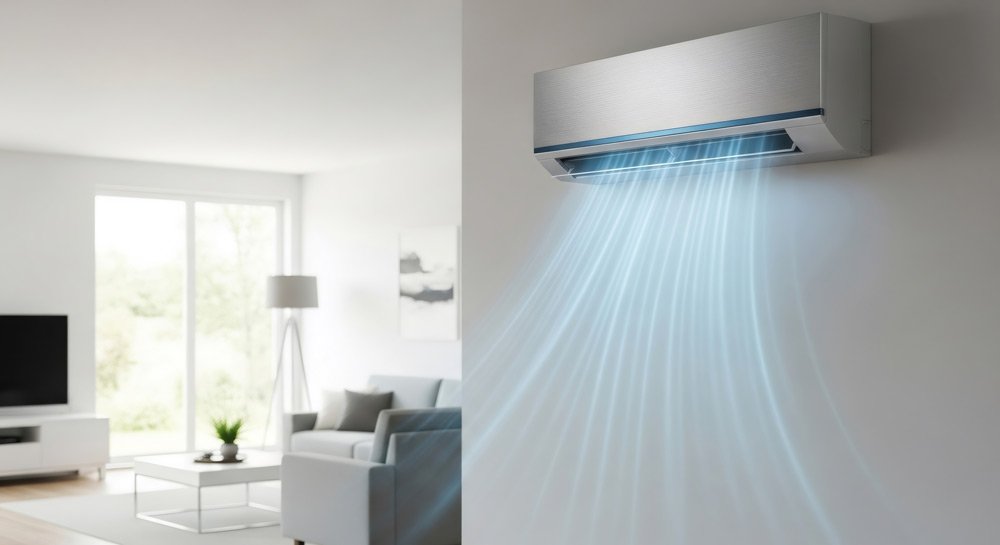
Top 11 Reasons To Install A Mini-Split System

1. Energy Efficiency

Mini-split systems are highly efficient because they don’t rely on ducts, which can lose significant amounts of energy through leaks or poor insulation. These systems use inverter-driven technology to adjust compressor speed, maintaining consistent temperatures without excessive energy consumption. As a result, mini-split systems can reduce energy bills compared to traditional HVAC systems, especially when used in specific zones or rooms.

2. Zoning Capabilities

One of the biggest advantages of mini-split systems is their zoning capability. Each unit has its own thermostat, which allows for individualized temperature control in different areas or rooms of the home. This means you can heat or cool specific zones based on need, saving energy and providing comfort in rooms that are frequently used while avoiding heating or cooling areas that aren’t in use.

3. No Ductwork Required

Mini-split systems don’t require the extensive ductwork that traditional central HVAC systems use. This makes them ideal for homes that don’t have existing ducts (e.g., older homes or additions) or for homeowners looking to avoid the hassle and expense of installing ductwork. The installation process is less invasive and typically quicker, especially for retrofits.

4. Space-Saving Design

Mini-split units are compact and can be installed in a variety of locations, including on walls or ceilings, making them ideal for homes with limited space. The outdoor condenser unit is also smaller than traditional HVAC units, which frees up space on your property. This can be especially beneficial for apartments, small homes, or homes where maintaining aesthetic value is important.

5. Quiet Operation

Mini-split systems are known for their quiet operation. The compressor and condenser unit are located outside, while the indoor air-handling units are much quieter than traditional forced-air systems. This is a big benefit for bedrooms, home offices, or other areas where noise could be a distraction.

6. Improved Air Quality

Mini-split systems have built-in filters that can help remove dust, allergens, and pollutants from the air. Because they don’t use ductwork, there’s less opportunity for dust and mold to accumulate and circulate in your home. This can be a significant benefit for people with allergies or respiratory issues.

7. Flexibility and Customization

Mini-split systems come in various configurations to meet different needs. You can choose a single-zone system for one room or a multi-zone system that can handle multiple rooms with separate units. Additionally, the indoor units come in a variety of styles, including wall-mounted, ceiling cassette, and floor-mounted models, offering greater flexibility to fit the design and layout of your space.

8. Heating and Cooling in One

Mini-split systems can provide both heating and cooling, making them an all-in-one solution for year-round comfort. Many models use a heat pump technology that works efficiently even in cold temperatures, making them a viable option in a range of climates. This dual functionality makes them a convenient choice for homes that require both heating and cooling.

9. Easier Installation

Compared to traditional central HVAC systems, mini-split systems are typically easier and quicker to install. The process generally involves drilling a small hole in the wall to connect the indoor and outdoor units, meaning less disruption to your home and less time needed for installation. This can save on installation costs and reduce the length of time needed for the project.

10. Environmentally Friendly

Many modern mini-split systems use eco-friendly refrigerants, which have a lower environmental impact compared to older refrigerants. Additionally, the high energy efficiency of these systems means they consume less energy, further reducing your carbon footprint.

11. Ideal for Additions and Converted Spaces

If you’re adding a new room, converting a basement, or turning an attic into livable space, a mini-split system can be an excellent choice. These systems are perfect for spaces that may not be easily served by your existing HVAC system. You don’t need to run ducts to those areas, and you can provide precise heating or cooling as needed.
Filed Under: Ductless Mini-Split

Cooling Your Bay City Home: Central Air vs. Ductless Mini-Splits

If you are a homeowner here in Bay City, you know that our Michigan summers can catch you completely off guard. One week we are enjoying a crisp breeze off the Saginaw Bay, and the next, we are dealing with high humidity and temperatures climbing well into the eighties. When the heat hits, you want a cooling system that is reliable, efficient, and fits the unique architecture of your home.

Today, we are looking at the two heavyweights of residential cooling: traditional central air conditioning and modern ductless mini-split systems. We’ll break down the pros and cons of each so you can make the right call for your property.

The Classic Standard: Central Air Conditioning

Central air has been the gold standard of American home comfort for decades. It works by using a single, central outdoor compressor to cool air, which is then distributed throughout your entire house via a network of supply and return ducts.

On the plus side, central air is completely invisible. Aside from the registers in your floors or walls, the equipment stays out of sight, preserving your interior design. It is also an excellent option if your Bay City home already has a forced-air furnace, because it can hook right into those existing ducts, keeping your initial installation costs relatively manageable. Furthermore, central air provides excellent, uniform cooling and humidity control across every single room simultaneously.

However, central air is not without its drawbacks. The biggest downside is ductwork efficiency. According to the Department of Energy, typical duct systems lose upwards of thirty percent of their cooling energy through leaks, seams, and uninsulated spaces like hot attics or crawlspaces. Additionally, if you live in one of Bay City’s beautiful, historic homes over near the Center Avenue Historic District, your house might not have ducts at all. Ripping open plaster walls to install bulky metal ductwork can be incredibly invasive, expensive, and ruin the character of an older home.

The Modern Alternative: Ductless Mini-Splits

That brings us to ductless mini-splits. This technology utilizes an outdoor condenser connected directly to one or more small, indoor air-handling units mounted high on your walls.

The biggest pro here is incredible efficiency. Because there are no ducts, you lose zero cooling energy along the way. Mini-splits also give you the power of zoning. You can turn off the cooling in your guest rooms during the day and only cool your main living space or master bedroom, saving you a bundle on your monthly energy bill. They are also the perfect solution for older homes without existing ductwork, or for finished basements and sunrooms.

The cons? The primary objection for most folks is visual. Those indoor units sit right on your wall, which some homeowners find distracting. The upfront cost can also be steeper than central air if you are trying to zone a large, multi-story house, as each indoor head adds to the price tag.

Making the Right Choice for Your Michigan Home

So, which is right for your piece of Bay City? If you have an existing furnace with good ductwork and want whole-house comfort out of sight, traditional central air is tough to beat. But if you are retrofitting a historic home, looking to cut down your energy bills, or only need to cool specific problem areas, ductless mini-splits are a remarkably smart, flexible choice.

Filed Under: Air Conditioner, Ductless Mini-Split

Thinking About Going Ductless? Here’s When to Make the Move

Living in Bay City, we’re used to the “wait five minutes and the weather will change” lifestyle. One day it’s a humid 85˚ and the next, there’s a crisp breeze coming off the bay. Keeping your home comfortable through those swings can be a challenge especially if your current setup is struggling.

If you’ve been hearing a lot about ductless mini-split installation in Bay City, you might be wondering if it’s just a trend or a smart upgrade. For many of your neighbors, it’s a smart upgrade.

When to Consider a Ductless Mini-Split

There are a few specific scenarios where a mini-split isn’t just an option—it’s the best possible solution:

  • You Have an Older Home: Many historic homes in our area weren’t built with ductwork. Instead of tearing up your walls to install bulky vents, a mini-split only requires a small three-inch hole for the conduit.
  • The “Problem Room”: We all have that one room—maybe a finished attic or a sunroom—that stays freezing in the winter and feels like a sauna in July. A mini-split provides targeted climate control for those specific spots.
  • New Home Additions: If you’re adding a garage apartment or a home office, extending your existing HVAC system can be incredibly expensive. A ductless unit is much easier on the budget for new spaces.
  • Lowering Your Energy Bills: Because these systems don’t lose energy through leaky ducts, they are incredibly efficient. If you want to save money on monthly utilities, energy-efficient HVAC upgrades like these are a great solution.

Why Bay City Homeowners Love the Ductless Mini-Split

Beyond the easy installation, mini-splits are whisper-quiet and offer “zoned” comfort. That means you can keep the bedroom cool while leaving the rest of the house a bit warmer – saving you even more on power.

If you’re tired of window units or uneven temperatures, it might be time to look into a Bay City ductless mini-split service. It’s a simple way to get year-round comfort without the renovation headaches.

Filed Under: Ductless Mini-Split

Footer

Bay City HVAC Contractor

Smith Mechanical Heating and Cooling of Bay City MI

MAIN OFFICE:
1339 N Johnson St, Bay City, MI 48708
(989) 893-2669 • Send An Email

Northern Dispatch: Pinconning, MI 48650
(989) 313-0781 • Send An Email

EMERGENCY SERVICE AVAILABLE
HOURS: 24/7

OFFICE HOURS:
Monday - Friday 7:30AM-4:00PM
Saturday - Sunday…..CLOSED

Our Service Area

Bay City HVAC Contractor
Saginaw HVAC Contractor
Midland HVAC Contractor
Pinconning HVAC Contractor

Copyright © 2026 Smith Mechanical Heating and Cooling, Bay City, MI · Design: ImageMatters Creative Design

  • HEATING
  • COOLING
  • FAQs
  • GENERATOR